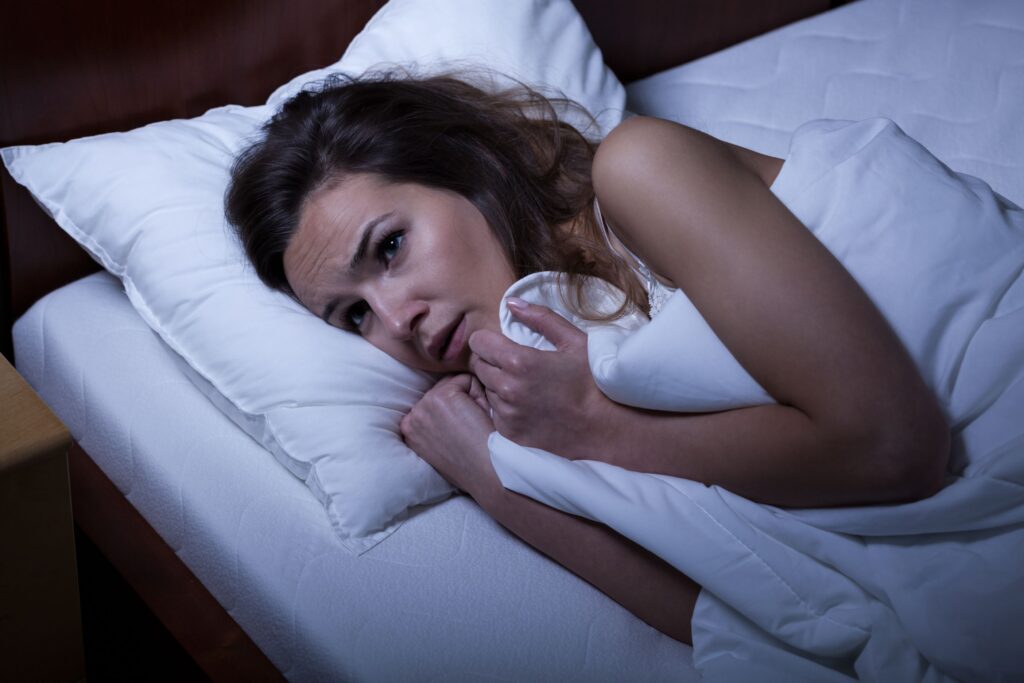
Would you be surprised to learn that sources estimate about 85% of adults have at least one nightmare annually? It’s normal to have occasional bad dreams, especially during periods of heightened stress. But if you’re regularly having unpleasant overnight experiences, it might be due to a sleep disorder, such as obstructive sleep apnea.
Many people don’t realize that their breathing patterns and circadian rhythms are closely linked, and that disrupting one can influence the other. Continue reading to learn more about this nightly disorder and how it can impact your dreams!
What is Obstructive Sleep Apnea?
There are multiple types of sleep apnea, but obstructive (OSA) is the most diagnosed kind. This disorder occurs when your airways are blocked, such as by overly tight throat muscles or excessive tissue. This causes your breathing to repeatedly stop and restart overnight, which interrupts your regular sleep cycles. Unfortunately, this can negatively impact your oral and general health in several ways.
For example, you might snore loudly or make gasping or choking noises, wake up feeling unrested, develop morning headaches, suffer from daytime exhaustion, or even develop more serious health concerns, such as high blood pressure, heart problems, or increased risk of stroke.
Does OSA Cause Nightmares?
Obstructive sleep apnea can be dangerous because it deprives your body of oxygen repeatedly throughout the night, which has a very real impact on your brain, body, and mood. But did you know that it can also contribute to having more frequent nightmares? This may be partly because the sudden lack of air triggers your system’s fight-or-flight response, which can lead to dreams about drowning or suffocating.
However, it’s also possible that your sleep apnea is keeping you from remembering your dreams. They typically occur during the REM (Rapid Eye Movement) stage of sleep, but your condition interrupts your breathing, waking your body. This decreases the likelihood of completing all the cycles needed to reach REM sleep or of remaining there long enough to have dreams, let alone recall them afterward.
How Can I Reduce Symptoms of OSA?
In addition to causing more regular nightmares, untreated obstructive sleep apnea can also significantly detract from your daily quality of life. Once you have a diagnosis for your disorder, you can schedule an appointment with your dentist to discuss potential treatments to reduce symptoms.
For example, many providers use oral appliances that keep your jaw in its correct alignment to keep your airways open while you snooze, helping prevent sleep apnea episodes.
If you’ve noticed that your dreams have taken a darker turn recently and you’re unsure why, it may be time to consult your dentist about your condition!
Meet the Author
Dr. Anita Naik Madhav enjoys helping families in Plano build and maintain beautiful, healthy smiles. She earned her dental degree with distinction from the University of Oklahoma College of Dentistry and then completed an Advanced Education in General Dentistry program to enhance her skills. Today, she offers a comprehensive menu of services to people of all ages to meet their unique needs conveniently under one roof, including oral appliances for sleep apnea. You can request an appointment on the website or call (972) 618-1111.