 A stunning smile is priceless. People with attractive teeth are viewed as younger, confident, and successful; however, if beauty is in the eye of the beholder, how do you know if your smile is appealing? Believe it or not, it involves more than the color and alignment of your teeth. Here are 6 traits considered by a cosmetic dentist when creating picture-perfect smiles.
6 Traits of an Attractive Smile
February 26, 2023
5 Holiday Foods That Can Hurt Your Teeth
December 2, 2022

The holidays are filled with sweet treats and savory meals, and it can be very tempting to overindulge. But before you get carried away during the festivities, remember that a lot of holiday foods are less than ideal for your teeth and gums. If you don’t want to have to make an emergency trip to the dentist after the holidays, then you need to be mindful of what you’re eating. Below are 5 holiday foods that you should be especially careful around.
(more…)Scary Dental Facts Just in Time for Halloween!
October 14, 2022

Boo! Many people love the fright of Halloween: the haunted houses, flying witches, and wandering zombies. But dental health can be spookier if we don’t take proper care of it. Oral health issues are incredibly common among people of all ages. The good news is many of them are completely preventable. Here are some spooky statistics as well as tips to keep your smile bright and healthy!
(more…)6 Tips to Manage a Lost Filling
September 14, 2022
 If you’ve ever had a cavity, your dentist probably used a filling to treat it. The tried-and-proven method for tooth decay is designed to serve as a long-term solution; however, fillings don’t last forever. If you have a lost dental filling, don’t panic. Here are 6 things you should do at home until you can see your emergency dentist.
What You Need to Know About Flossing Dental Implants
August 9, 2022
 Dental implants are the most reliable method of treating tooth loss. They have over a 95% success rate and can last for 30 years or longer with the right maintenance, like brushing and flossing. Although dental implants can’t get cavities, your home oral hygiene routine is essential to protect your investment. Besides brushing at least twice per day, your new smile relies on daily flossing to prevent an infection called peri-implantitis. Here’s what you need to know about flossing dental implants to keep the infection at bay.
Teeth Whitening VS Veneers for a Whiter Smile
June 29, 2022
 Are you embarrassed by tooth discoloration? You aren’t alone. Thankfully, you have several solutions to achieve a bright, confident smile. Although teeth whitening is a common method of improving stains, it isn’t effective on all types of discoloration. Don’t worry, you aren’t out of options. You may be a candidate for veneers; however, it is a more invasive treatment. Your cosmetic dentist can help you achieve the smile of your dreams using a personalized treatment plan.
5 Interesting Facts About Dental Implants
April 6, 2022
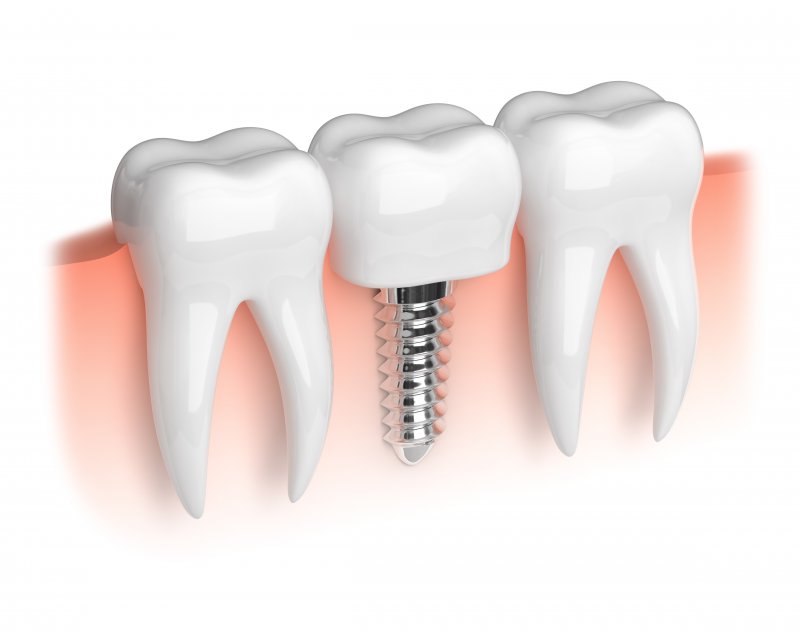
Even if your dentist suggests them, you may still be skeptical about dental implants. Besides substituting for natural teeth, it may not seem like they do much else. Why not just get some dentures or a dental bridge instead?
As a matter of fact, dental implants have a lot that make them special. To learn more, check out these interesting facts below!
(more…)3 Issues That Can Keep You from Getting Dental Implants
February 11, 2022

Whether you lost teeth as the result of decay, an injury, or another factor, this can make your smile look incomplete and cause you to lose confidence in yourself. Fortunately, dental implants are a permanent solution to missing teeth that allow you to eat, speak, and laugh without issue. Though they are the tooth replacement option of choice for many patients and dentists alike, there are a few problems that can keep you from getting them. Read on to learn about three issues that need to be corrected before you move forward with the procedure.
(more…)4 Bad Habits to Break If You Have Dental Implants
December 13, 2021
 Dental implants have quickly become the preferred solution to treat tooth loss because they closely function like real teeth, but that’s not their only benefit. Unlike traditional bridges and dentures, dental implants can last for decades with the right care because they offer the most reliable results. According to the American Academy of Implant Dentistry, they have over a 95% success rate. Although they can thrive for 30 years or more, several factors affect their lifespan. Don’t let simple mistakes cause your new smile to fail. Here are 4 bad habits to break to ensure your investment lasts for a lifetime.
Why Root Canal Therapy Is a Good Thing
September 8, 2021
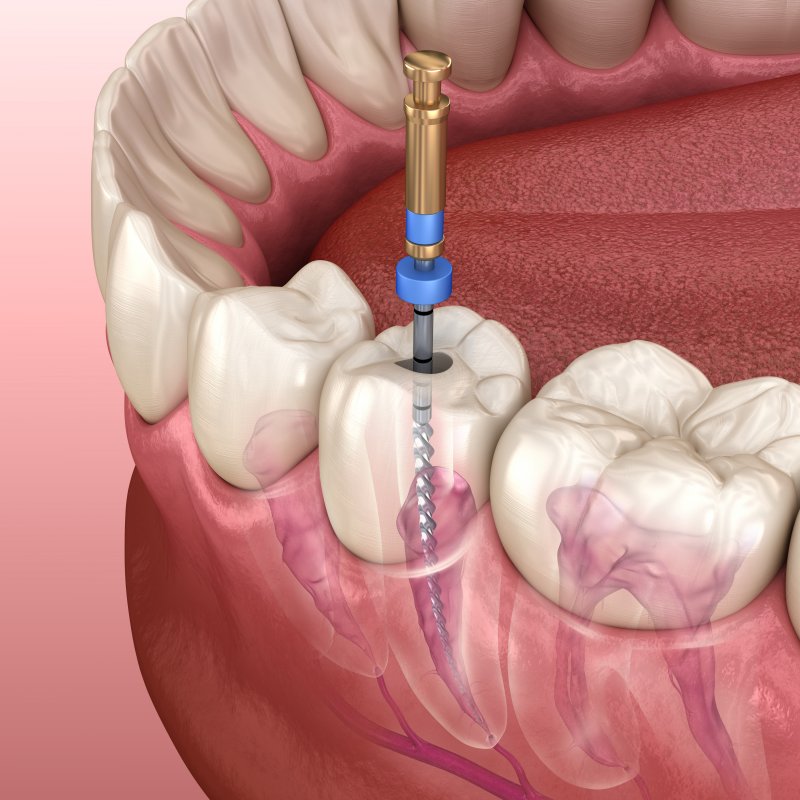
According to the American Association of Endodontists, approximately 41,000 root canals are performed each day. As one of the most widely feared dental procedures, root canal therapy often gets a bad rap. This procedure is designed to quickly relieve pain and stop infection in its tracks while preserving your natural smile. So, not only are root canals virtually painless, but they’re actually a good thing! Here’s why root canals aren’t as scary as you think as well as some benefits of root canals for your oral health.
(more…)